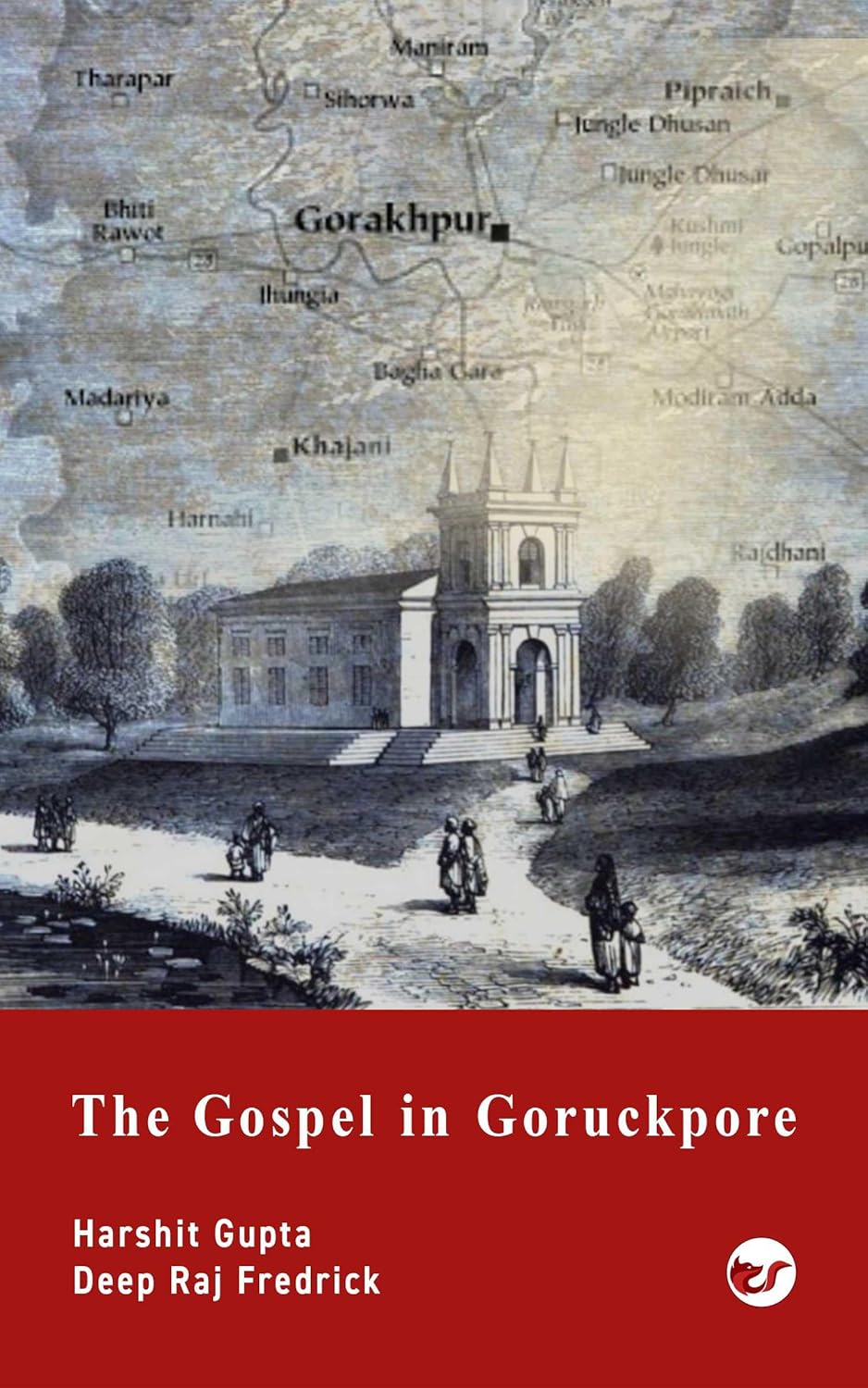
The Gospel in Goruckpore: History is often shaped by dominant narratives, while smaller communities and their lived experiences quietly fade into obscurity. The Gospel in Goruckpore by Harshit Gupta and Deep Raj Fredrick is a sincere and scholarly attempt to correct this imbalance. Built on more than two years of rigorous research, this book brings to light overlooked histories and preserves them for future generations.
A Research-Driven Historical Narrative
At its core, The Gospel in Goruckpore is a deeply researched historical work. The authors have gone beyond conventional sources to compile information from international libraries, digital archives, baptismal and burial records, European cemetery databases, and personal interviews. This extensive approach lends credibility and authenticity to the narrative, making the book a reliable source for readers interested in Indian colonial history, religious history, and community heritage.
What sets this book apart is its commitment to accuracy and documentation. Rather than relying on oral traditions alone, the authors cross-verify facts through multiple sources, ensuring that the historical accounts presented are both factual and accessible.
Structured and Insightful Chapters
The book is divided into three thoughtfully structured chapters — The Raj, The Gospel, and The Eurasians. Each chapter focuses on a distinct yet interconnected aspect of history.
-
The Raj explores the socio-political environment of the colonial period and its influence on emerging communities.
-
The Gospel delves into the role of faith, belief systems, and religious institutions in shaping identity and resilience.
-
The Eurasians highlights the genesis, expansion, and struggles of a community often ignored in mainstream historical discourse.
Together, these chapters create a cohesive narrative that traces origins, growth, and the challenges faced by communities during periods of political conflict and social upheaval.
Preserving Community Memory
One of the most compelling aspects of The Gospel in Goruckpore is its purpose. This book is not merely an academic exercise; it is a conscious effort to preserve community memory. The authors aim to make people aware of their past, helping communities reconnect with their roots and understand their historical journey.
By documenting atrocities, social discrimination, and political acrimony faced by these groups, the book ensures that these experiences are not erased from collective memory. This makes it an important contribution to heritage preservation and historical documentation.
Accessible Writing for a Wider Audience
Despite its strong research foundation, the book avoids overly complex academic language. Harshit Gupta and Deep Raj Fredrick present their findings in a clear, communicative manner, making the content accessible to general readers as well as scholars.
History enthusiasts, students, researchers, and readers interested in faith-based or colonial history will find the narrative engaging and informative. The balance between scholarly detail and readable storytelling is one of the book’s key strengths.
Contribution to Historical Literature
The Gospel in Goruckpore fills an important gap in historical literature. It highlights narratives that are rarely discussed in textbooks or mainstream history books. By focusing on underrepresented communities, the authors broaden the scope of historical understanding and encourage readers to question dominant narratives.
The Gospel in Goruckpore also serves as a valuable reference for academic research, offering documented sources that future scholars can build upon.
Final Verdict
The Gospel in Goruckpore is a meaningful and well-researched historical non-fiction book that successfully preserves forgotten histories. Its detailed research, structured chapters, and clear intent make it a significant contribution to heritage and community studies.
For readers who value authentic history, cultural identity, and meticulous documentation, The Gospel in Goruckpore is a worthy addition to their collection. It stands as a reminder that history is not only written by the powerful, but also preserved by those who care enough to seek the truth.