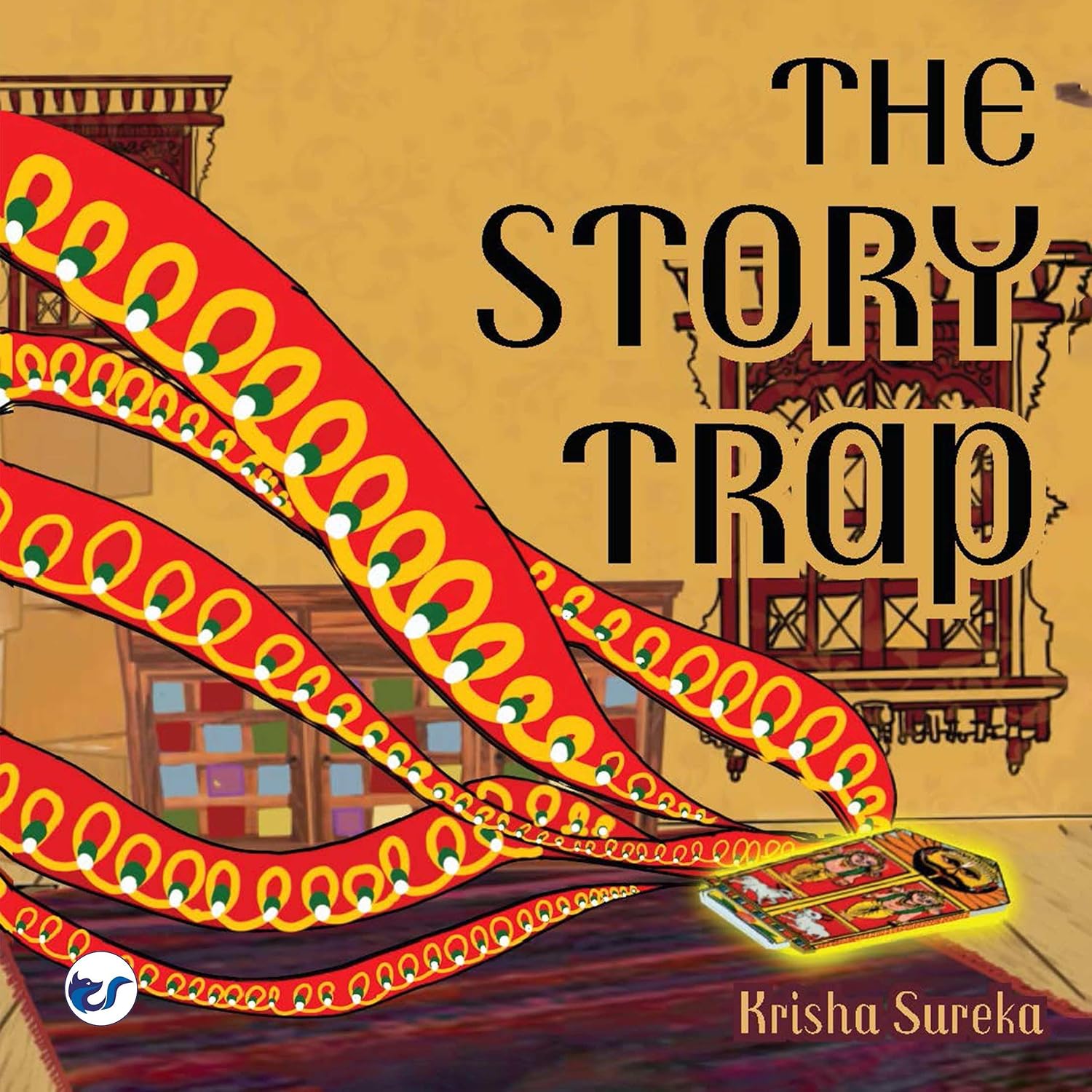
The Story Trap by Krisha Sureka is a delightful mystery-adventure picture book that combines imagination, family, storytelling, and Indian cultural heritage into an engaging reading experience for children. At the center of the story is Saanya, a curious young girl whose visit to her grandmother takes an unexpected turn when an innocent game of hide-and-seek leads her to a fascinating discovery.
What begins as an ordinary family visit soon becomes an extraordinary adventure filled with secrets, wonder, and stories from the past. The book successfully creates a sense of curiosity that encourages young readers to keep turning the pages to discover what happens next.
A Mystery That Sparks Curiosity
One of the most appealing elements of The Story Trap is its mystery-driven storyline. Saanya’s discovery introduces her to a world that she never expected to find. The suspense surrounding her family’s past gives the story an exciting quality while keeping the narrative accessible to young readers.
The journey becomes even more meaningful when Saanya realizes that she must find a way to save her brother. This gives the adventure a strong emotional purpose and makes the protagonist’s journey more engaging. Children can easily connect with Saanya’s curiosity, courage, and determination as she faces the challenges placed before her.
Stories Hidden Within Stories
The concept of stories unfolding from a special wooden shrine called a Kaavad is one of the book’s most distinctive features. The idea of opening panels and discovering stories hidden within them creates a wonderful sense of anticipation.
This “story within a story” approach makes reading feel interactive rather than passive. Young readers are encouraged to imagine what might be revealed next, making the experience feel almost like solving a mystery alongside Saanya.
Introducing Children to Rajasthan’s Heritage
Perhaps the most valuable aspect of The Story Trap is the way it introduces children to the traditional art of Kaavad storytelling, a rare 400-year-old art form associated with Rajasthan.
Instead of presenting cultural history like a textbook, the book introduces the tradition naturally through an exciting adventure. This makes learning about heritage enjoyable and memorable. Children get an opportunity to discover how stories have traditionally been preserved and shared through art, objects, and oral storytelling.
The book therefore works on two levels: it entertains young readers while also helping them appreciate an important cultural tradition.
Beautifully Blending Art and Storytelling
As a picture book, illustrations play an important role in creating the atmosphere of the story. The combination of visual storytelling and the mystery surrounding the Kaavad adds another layer of imagination to the reading experience.
The visual elements help children understand and connect with the world of the story while making the cultural aspects more approachable. For young readers who respond strongly to pictures and interactive storytelling, this combination can make the book particularly enjoyable.
A Meaningful Family Connection
The relationship between Saanya, her brother, and her grandmother gives the adventure an emotional foundation. The story shows how family memories and the stories passed down through generations can connect children with their roots.
The grandmother’s presence also adds warmth to the narrative, making the mysterious discoveries feel connected to family history rather than being simply a fantasy adventure. This balance between family, mystery, and cultural discovery gives the book a distinctive charm.
Interactive Reading for Young Minds
Another strength of The Story Trap is its inclusion of fun interactive activities. These elements can help transform reading into an active experience where children participate in the adventure rather than simply observing it.
Interactive features can encourage children to think creatively, make connections, explore clues, and engage with the story more deeply. This makes the book especially suitable for curious young readers who enjoy puzzles, mysteries, and hands-on activities.
Learning Through Adventure
The book demonstrates how children’s literature can educate without feeling overly instructional. Through Saanya’s adventure, young readers encounter themes of family, courage, curiosity, heritage, imagination, and storytelling.
The introduction to Kaavad art is particularly effective because children discover the tradition as part of the adventure. This approach can help them develop an appreciation for Indian cultural heritage while remaining entertained.
A Book for Curious Young Readers
The Story Trap is especially well suited to children who enjoy mysteries, magical adventures, illustrations, puzzles, and stories with unexpected discoveries. It can also appeal to parents and educators looking for children’s books that combine entertainment with cultural learning.
The story’s focus on imagination and curiosity encourages children to see stories as more than words on a page. It presents storytelling as something that can preserve memories, connect generations, and bring history to life.
Final Verdict
The Story Trap by Krisha Sureka is a charming and imaginative children’s book that successfully brings together mystery, adventure, family, art, and cultural heritage. Saanya’s journey offers young readers an exciting adventure while introducing them to the fascinating tradition of Kaavad storytelling.
What makes the book particularly special is its ability to make cultural discovery feel magical. Instead of simply telling children about a centuries-old tradition, it invites them to discover it alongside the characters.
With its engaging premise, interactive activities, family-centered narrative, and celebration of Rajasthan’s storytelling heritage, The Story Trap is a wonderful choice for young readers who love stories filled with wonder, mystery, and discovery.