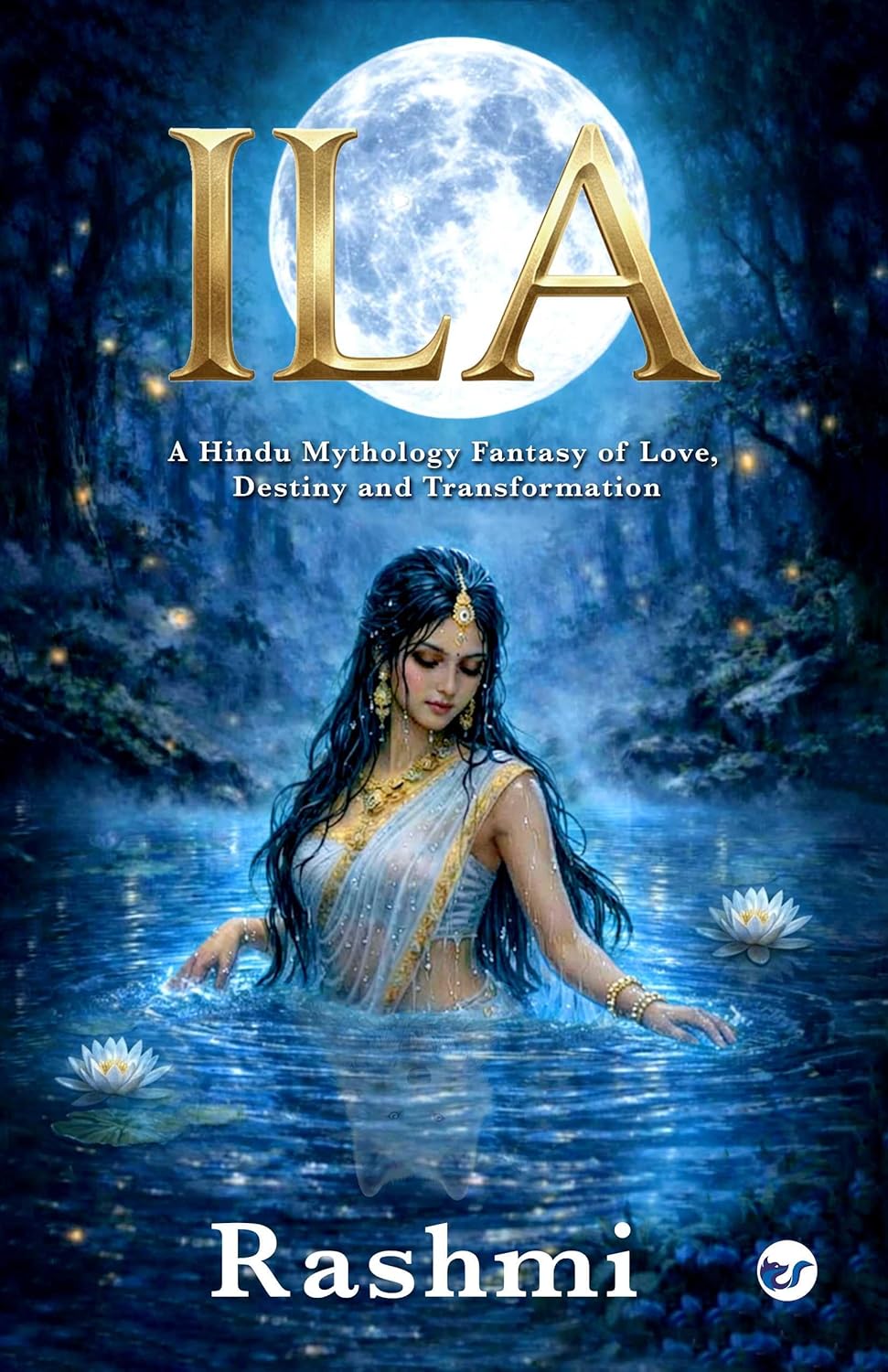
In a world where mythology meets fantasy, and destiny challenges the very essence of identity, Ila: A Hindu Mythology Fantasy of Love, Destiny and Transformation by Rashmi emerges as a thought-provoking and emotionally powerful novel. Drawing inspiration from the ancient Hindu myth of Sudyumna and Ila, the book reimagines a timeless legend through a modern fantasy lens, creating a narrative that is both deeply personal and universally relevant.
A Warrior’s Journey Beyond Power
At the center of the story is Sudyumna, a fearless warrior-king raised to believe that strength, authority, and leadership are the highest virtues. His identity is built upon the ideals of masculinity, courage, and control. However, fate intervenes in a way he never anticipated. Through a divine twist of destiny, Sudyumna is transformed into a woman named Ila.
What follows is not merely a physical transformation but an emotional and spiritual upheaval. Unable to accept his new reality, Sudyumna views his transformation as a curse, something that strips him of everything he once valued. Yet, as Ila, he is forced to confront experiences and emotions that challenge his deepest beliefs. This conflict becomes the foundation of a remarkable journey toward understanding, acceptance, and self-discovery.
Exploring the Complexity of Identity
One of the most compelling aspects of Ila is its exploration of identity. Rashmi skillfully portrays the internal struggle of a protagonist caught between two worlds and two versions of the self. Sudyumna’s transformation into Ila forces him to question everything he once considered absolute.
The novel examines how societal expectations and personal beliefs shape our understanding of who we are. Through Ila’s experiences, readers are invited to reflect on themes of gender, individuality, and personal growth. The story suggests that identity is not fixed or confined to labels but is constantly evolving through experience, understanding, and acceptance.
This exploration makes Ila much more than a fantasy novel. It becomes a meaningful reflection on the human condition and the journey toward self-awareness.
The Strength Hidden Within Vulnerability
A recurring theme throughout the book is the idea that vulnerability is not weakness. Sudyumna begins his journey believing that emotions, sensitivity, and compassion diminish strength. However, his life as Ila gradually reveals a different truth.
As Ila experiences love, empathy, intuition, and emotional connection, he discovers forms of strength that cannot be measured by power or authority. These qualities help him grow into a more complete individual, capable of understanding both the masculine and feminine aspects of existence.
Rashmi beautifully demonstrates that true strength lies not in domination but in balance, acceptance, and emotional courage. This message resonates deeply and gives the novel a powerful emotional core.
A Rich Blend of Mythology and Fantasy
The world of Ila is richly inspired by Hindu mythology while incorporating imaginative fantasy elements that make the story fresh and engaging. Gods, celestial realms, divine laws, and mystical forces shape the narrative, creating a setting that feels both ancient and magical.
Rather than simply retelling a mythological tale, Rashmi expands upon it, building an intricate fantasy universe filled with mystery and wonder. The novel respects its mythological roots while introducing original elements that keep readers intrigued.
This fusion of mythology and fantasy allows the story to appeal to a wide audience, from mythology enthusiasts to fantasy lovers seeking a unique and immersive reading experience.
Love as a Transformative Force
Love plays a vital role in Ila’s journey. It is not presented merely as romance but as a force that inspires healing, growth, and self-acceptance. Through meaningful relationships and emotional connections, Ila begins to understand the value of compassion and trust.
These moments add warmth and depth to the narrative, balancing the larger themes of destiny and transformation. The story highlights how love can guide individuals through their darkest struggles and help them embrace their true selves.
The Beginning of an Epic Supernatural Conflict
Beyond Ila’s personal transformation lies a larger mystery waiting to unfold. Ancient powers begin to awaken, and hidden forces quietly set the stage for an eternal conflict between werewolves and vampires.
This supernatural element introduces a thrilling dimension to the story, expanding its scope far beyond one individual’s journey. The origins of this conflict are deeply connected to destiny, mythology, and cosmic balance, creating intrigue that will undoubtedly continue throughout the LUNA series.
These revelations provide readers with a glimpse of a much larger world and leave them eager to discover what lies ahead.
A Powerful Start to the LUNA Series
As the first installment of the LUNA series, Ila: A Hindu Mythology Fantasy of Love, Destiny and Transformation successfully lays the groundwork for an epic saga. It combines mythology, fantasy, self-discovery, and supernatural intrigue into a compelling narrative that keeps readers invested from beginning to end.
Rashmi delivers a story that challenges conventional ideas of identity while celebrating the transformative power of love, acceptance, and personal growth. The novel’s rich themes and imaginative world-building make it an engaging read for anyone seeking a fantasy story with emotional depth and philosophical significance.
Final Thoughts
Ila is a remarkable tale about embracing change, discovering inner strength, and finding balance within oneself. Through the unforgettable journey of Sudyumna and Ila, Rashmi reminds readers that true transformation begins when we accept every part of who we are.
Filled with mythology, fantasy, emotion, and mystery, Ila is an inspiring and thought-provoking novel that marks a promising beginning to the LUNA series and leaves readers eagerly awaiting the next chapter of this extraordinary adventure.