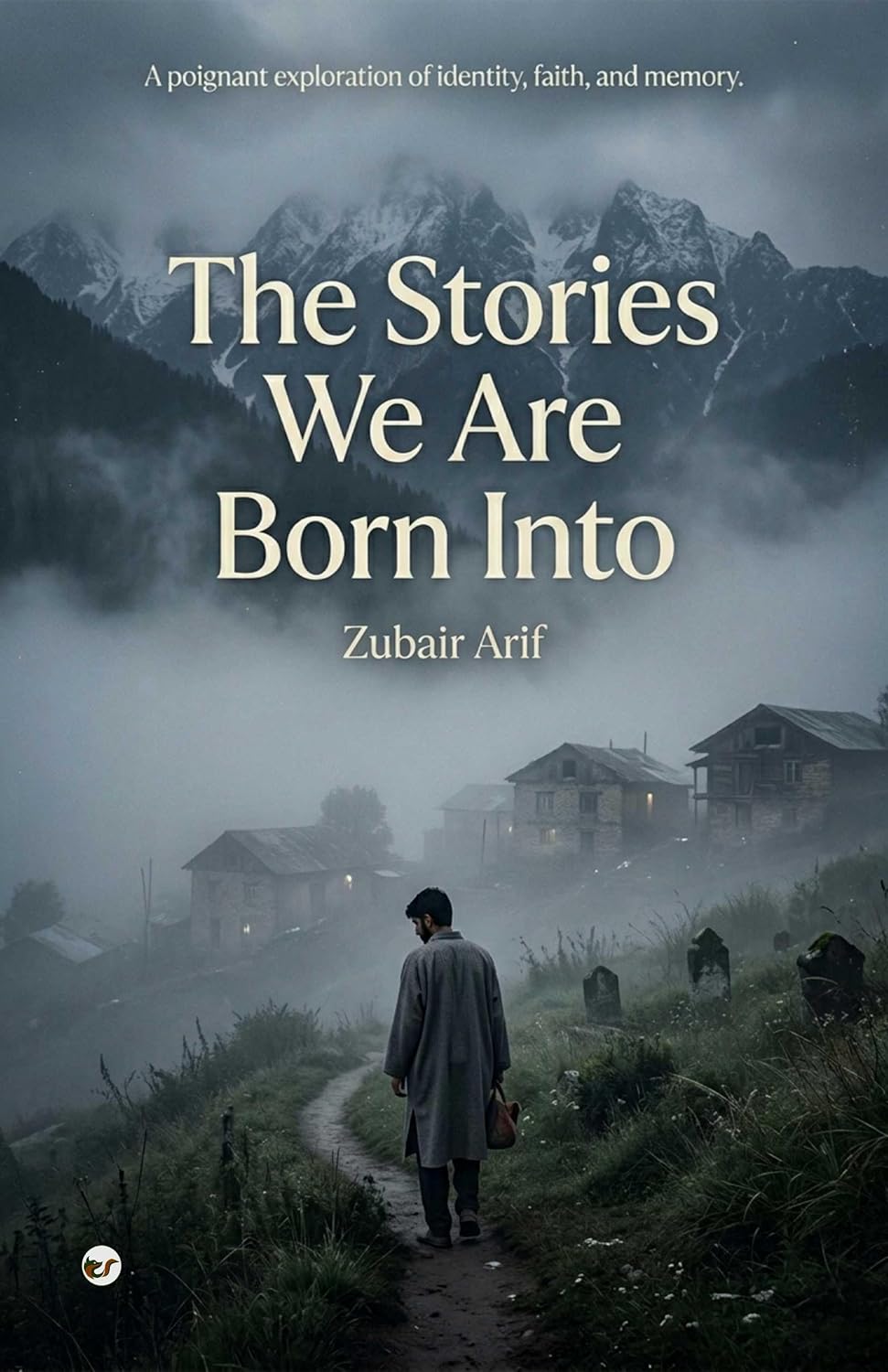
The Stories We Are Born Into by Zubair Arif is an evocative work of literary fiction that masterfully explores the profound relationship between memory, identity, faith, and the unseen narratives that shape human lives. Set against the breathtaking yet emotionally complex backdrop of Kashmir, the novel invites readers into a world where the past never truly disappears, and every story leaves an imprint on the soul. Through rich storytelling and psychological depth, the author crafts an emotionally immersive reading experience that resonates long after the final page.
Kashmir as a Living, Breathing Character
The novel’s setting is one of its greatest strengths. Nestled in the secluded village of Panungam, the story transforms Kashmir into far more than a geographical location—it becomes a living, breathing presence that influences every character and every event. The village, with its abandoned homes, silent graveyards, forgotten books, and whispered legends, carries a haunting beauty that perfectly complements the novel’s introspective tone. Zubair Arif vividly captures both the natural splendor and emotional scars of Kashmir, creating an atmosphere where history, spirituality, and everyday life coexist. Every description deepens the reader’s understanding of a place shaped by generations of resilience, suffering, and hope.
A Powerful Portrait of Psychological Growth
At the heart of the story is Sahil, a young boy whose curiosity about the hidden mysteries surrounding him gradually evolves into a deeply personal search for truth and belonging. Growing up beside a graveyard, Sahil becomes fascinated by abandoned places, forgotten stories, and the invisible boundaries between reality and imagination. As he matures and leaves Kashmir for Srinagar and later Turkey, his physical journey mirrors an emotional transformation. Despite moving away from his homeland, he finds that memories and inherited emotional wounds continue to shape his thoughts and decisions. His psychological evolution is portrayed with remarkable authenticity, making him a deeply relatable protagonist whose struggles reflect universal questions about identity, purpose, and self-understanding.
Exploring Faith, Tradition, and Human Complexity
One of the most compelling aspects of the novel is its thoughtful exploration of faith and cultural tradition. Rather than presenting simple answers, the narrative examines spirituality as a deeply personal and often complex force that influences every aspect of life. Religious beliefs, family expectations, social customs, and long-held traditions shape the characters’ choices while also revealing their internal conflicts. Zubair Arif presents these themes with sensitivity and nuance, encouraging readers to reflect on how belief systems can provide both comfort and challenge. The characters are portrayed with remarkable depth, reminding readers that every individual carries unseen struggles shaped by personal experiences and cultural heritage.
The Lasting Impact of Generational Trauma
A central theme running throughout the novel is the enduring influence of generational trauma. Families pass down more than traditions and values—they also inherit silence, grief, fear, and emotional burdens that often remain unspoken. Through Sahil’s experiences and the interconnected lives of those around him, the novel illustrates how history continues to shape the present. Every family carries stories that influence future generations, whether acknowledged or hidden beneath years of silence. This exploration of inherited emotional pain gives the narrative remarkable depth, making its themes universally relevant regardless of cultural background. Readers are encouraged to consider how the stories they inherit influence the people they become.
Beautiful Prose That Invites Reflection
Zubair Arif’s writing style is elegant, poetic, and emotionally resonant. His descriptive prose paints vivid imagery while maintaining a thoughtful pace that allows readers to absorb the novel’s deeper meanings. Rather than relying on dramatic plot twists, the narrative unfolds gradually through emotional discoveries, philosophical reflections, and richly developed characters. The author’s ability to balance lyrical language with psychological realism creates an immersive reading experience that rewards patient readers. Every chapter contributes meaningfully to the larger exploration of memory, belonging, and human resilience, making the novel feel both intimate and expansive.
A Thought-Provoking Literary Experience
Beyond its compelling narrative, The Stories We Are Born Into encourages readers to reflect on universal themes that transcend its Kashmiri setting. The novel explores how identity is shaped not only by personal choices but also by family histories, cultural expectations, spiritual beliefs, and the invisible stories inherited from previous generations. Its blend of literary fiction, psychological drama, philosophical inquiry, and cultural storytelling offers a rewarding experience for readers who appreciate emotionally rich and intellectually engaging novels. The subtle supernatural undertones further enhance the atmosphere, adding mystery without overshadowing the deeply human core of the story.
Final Thoughts
The Stories We Are Born Into is a beautifully written and emotionally profound novel that lingers in the reader’s mind long after the final chapter. Zubair Arif delivers a compelling exploration of identity, memory, faith, generational trauma, and the enduring power of storytelling through richly developed characters and an unforgettable setting. The novel reminds us that every individual is shaped by stories inherited from family, culture, and history, yet each person also possesses the ability to confront, understand, and redefine those narratives. Deeply reflective and emotionally captivating, this is a remarkable work of contemporary literary fiction that will appeal to readers seeking meaningful storytelling, psychological depth, and thought-provoking themes.